Jennifer Graff, M.E.D., LSLS Cert. AVEd
Listening, Language, Literacy, & Academic Support for Children
A one-on-one practice that brings together auditory-verbal education and structured literacy so your child can listen, read, and learn with confidence. For families with children in preschool through 6th grade who have hearing loss, language delays, and working memory or executive function challenges. Serving families in Carmel and central Indiana.

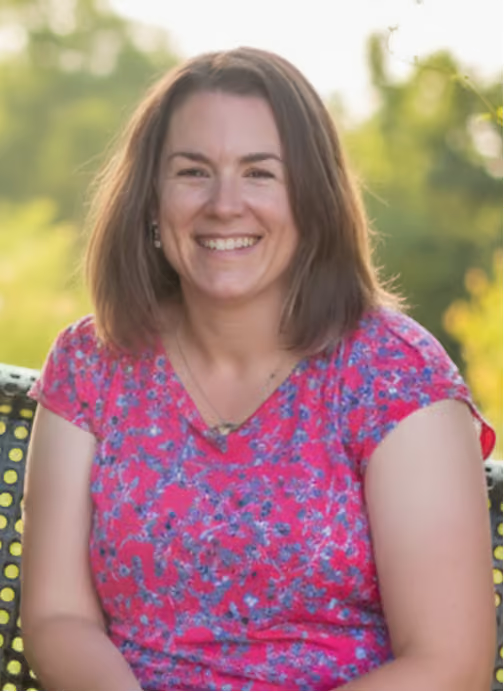

Licensed Elementary Education K-8; Deaf and Hard of Hearing • 21 years in the classroom
• Structured-literacy trained • Approved ESA Provider

Listening. Language. Literacy.
Children I Work With
I know the worry that brings families here. I also know how much these kids can do.

Deaf or Hard of Hearing
Children with hearing loss
A child who is deaf or hard of hearing can listen, talk, read, and thrive with the right support. For families who've chosen listening and spoken language, these skills grow together — listening, language, and reading each building on the others. My work is to strengthen all of it together: helping your child listen with confidence, build the language that gives words meaning, and carry both into reading and learning at school. I'm here to help your family navigate how hearing loss can affect each of these — and to help your child become the reader and learner they're meant to be.
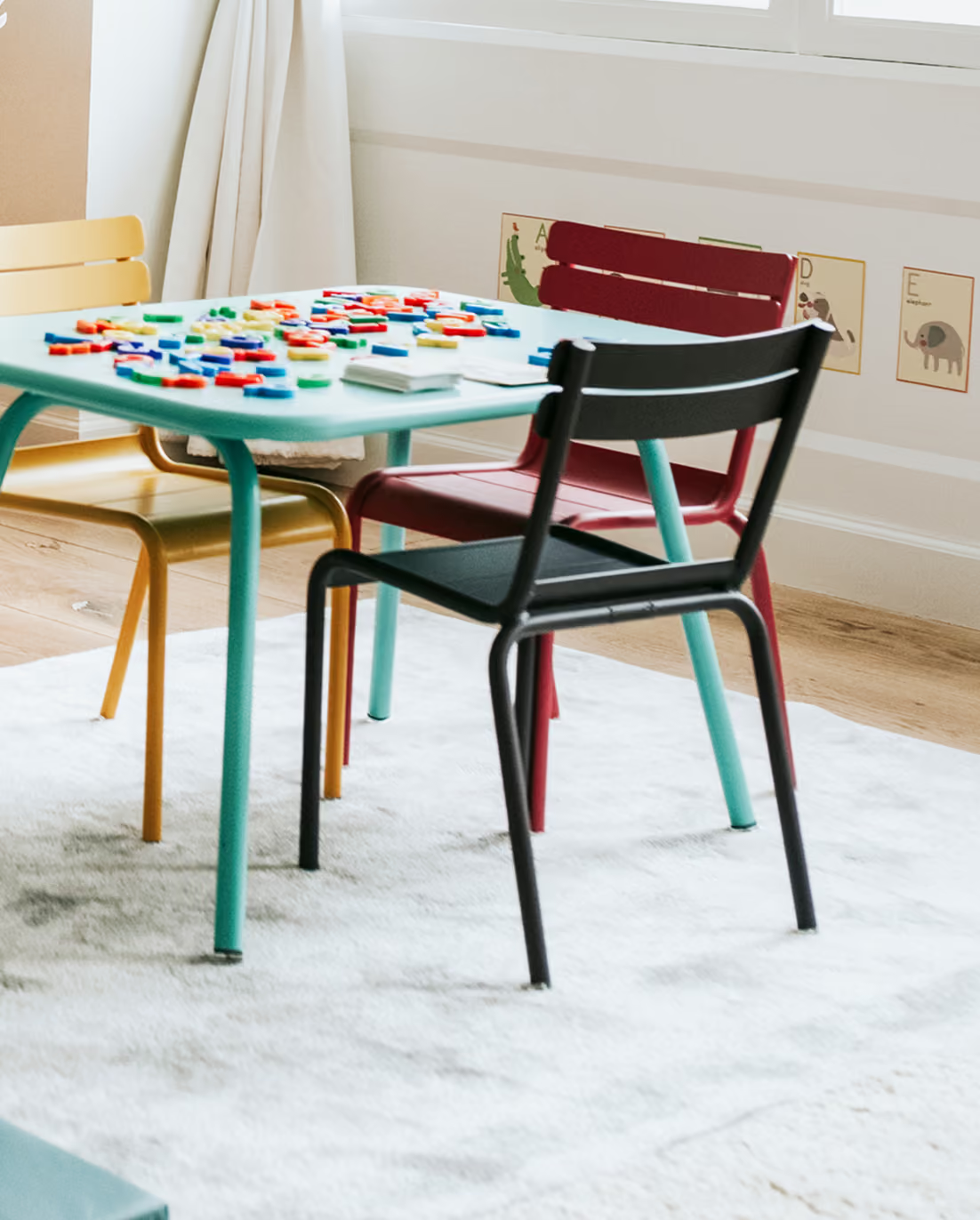
Build Skills for Reading and Learning
Children who need to build missing skills
I work with bright, capable children who are ready to grow as readers and learners with the right support behind them. Every child gets there on their own path — some are strengthening the skills that turn print into smooth, confident reading, some are building the language that makes words meaningful, and some are developing the focus, memory, and organization that learning depends on. I'm here to help your family see your child's strengths, build on them, and watch them thrive in school and beyond.
The Impact
Your Child, Growing into a Confident Learner
The goal is simple: a confident, capable learner who can handle the demands of the classroom and actually loves to learn. So much of your child's energy right now goes into managing the distance between what's expected and what feels possible. When that gap closes, that energy goes back where it belongs — into learning itself.

Reading stops being a battle and becomes something your child chooses.
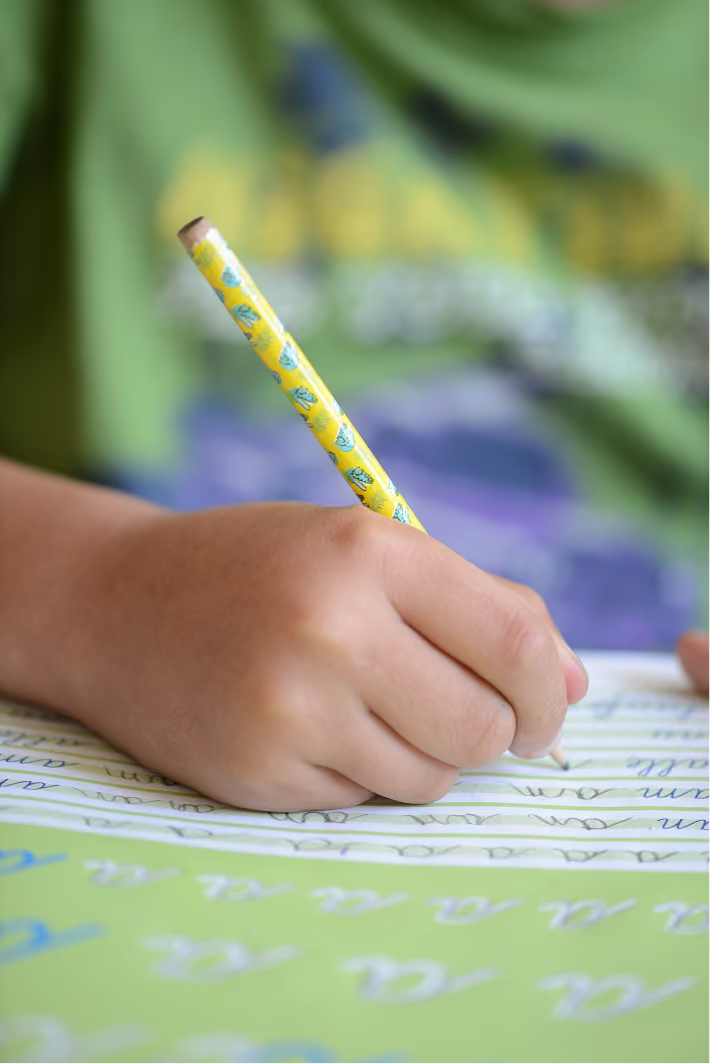
Because they are confident in what they know.

Sits down, starts, and sees it through.
Drag
What Reading Research Tells Us
The Science of a Strong,
Confident Reader



Listening, Language & Literacy Specialist
About Me
Jen Graff, M.E.D., LSLS Cert. AVEd
I've spent more than twenty years helping children learn to listen, talk, read, and grow into confident learners. I hold the LSLS Cert. AVEd credential, studied special education and elementary education at Vanderbilt, and earned my Master of Education of the Deaf from the Clarke School / Smith College program.
My training brings together two things that usually live in separate places: structured literacy grounded in the science of reading, and the work that helps children who are deaf or hard of hearing build strong listening and spoken language skills. I've worked with children in busy classrooms and one-on-one across the table, and I draw on both — meeting each child exactly where they are and building from there.
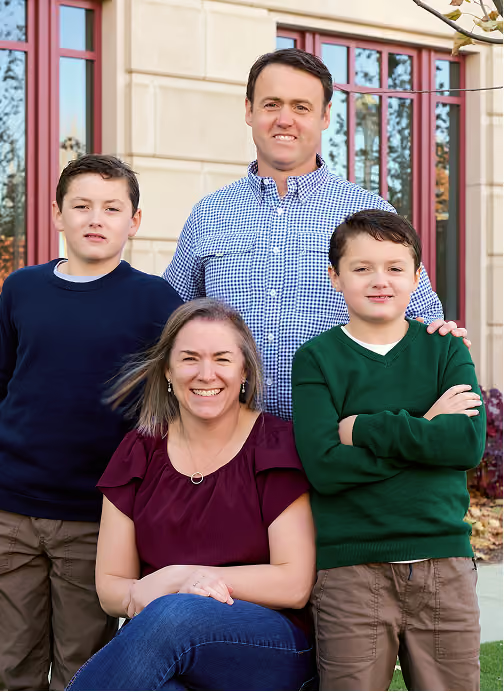
What drives me is simple: every child can grow, and the right teaching is what unlocks it. When I'm not working, I'm at home in Carmel with my husband William and our boys, Josh and Ben.
I'm the practice owner and lead instructor — a licensed Indiana educator in deaf and hard of hearing education and elementary education, an LSLS Cert. AVEd, and trained in structured-literacy methods grounded in the science of reading.
20+
Over 20 years of work with children in both classrooms and 1-1
How to Get Started
Most families start with a consultation. We'll talk about what's been going on with your child, what you've already tried, and whether the work I do is the right next step. There is no obligation — and if I'm not the right person, I'll often know someone who is.

Meet and Chat
Book a consultation: a short call to talk through what's going on with your child.

Make a Plan
If it's a fit, we schedule an initial session and begin building a learning plan.

Work Together
From there, we work together at the pace your child needs.
Take the First Step
Let's talk about
your child’s needs